
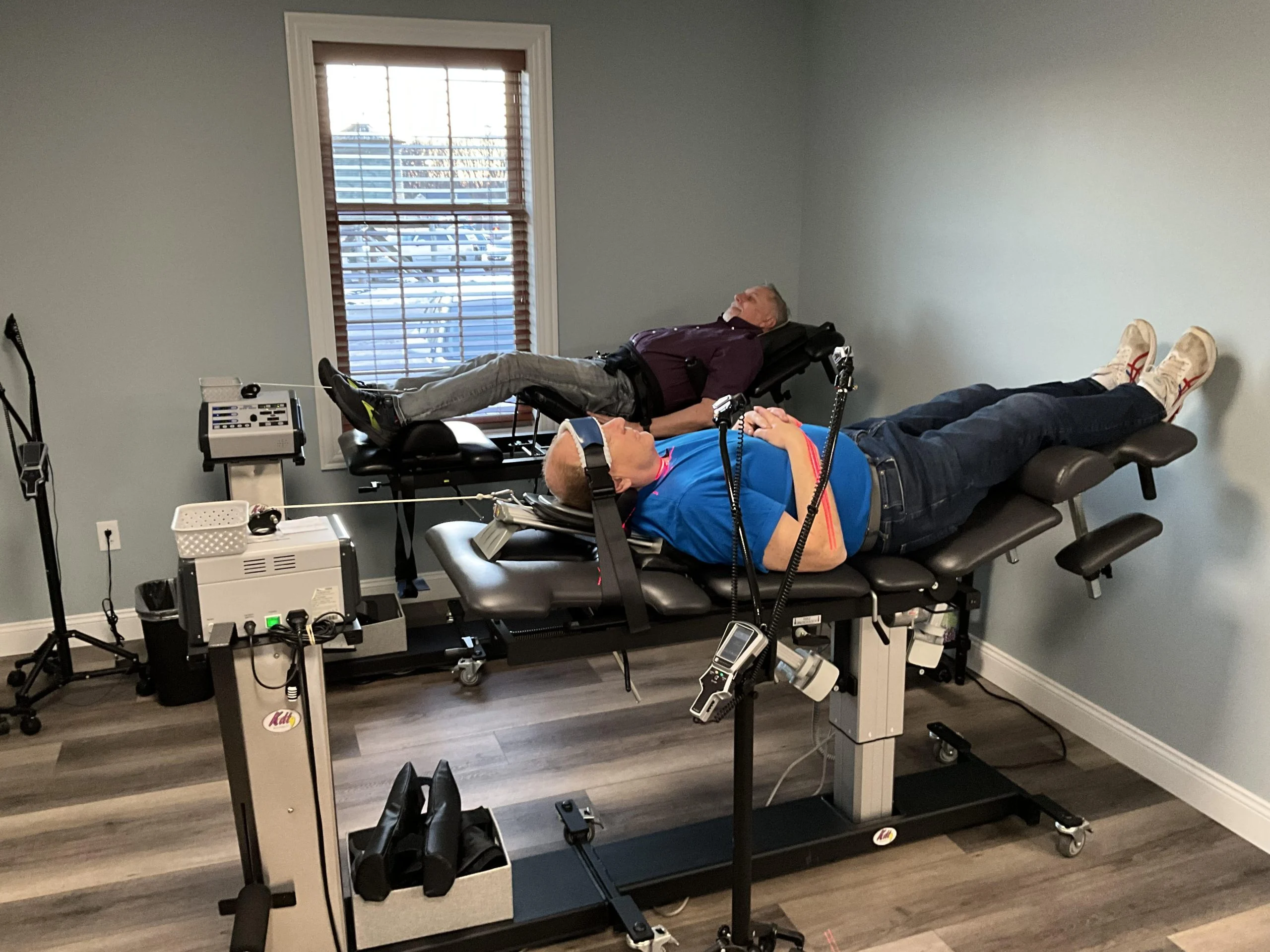
Tired of Disc Pain Running Your Day?
If you’ve been looking for a chiropractor near me who offers real, non-surgical help for bulging discs, sciatica or a stiff, aching neck, you’re in the right place. At Morris Chiropractic in Painesville, OH, we use the KDT Neural Flex Table to gently decompress both the lower back and the neck, easing pressure on irritated discs and nerves so you can sit, sleep and move with less pain.
Book OnlineWhat Is the KDT Neural Flex Table?
The KDT Neural Flex Table is a computer-guided spinal decompression table that applies gentle, precisely controlled stretching to the spine. It can be set up for the lumbar spine (low back) or the cervical spine (neck), which means one table can address low back pain, neck and shoulder pain, and the radiating arm or leg symptoms that often come with disc problems. It’s one of several decompression options in our spinal decompression program, alongside Accu-Spina IDD Therapy and Ergoflex – Back On Trac.
How Does KDT Spinal Decompression Work?
In short, KDT decompression works by gently stretching and relaxing the spine in timed cycles to take pressure off the discs and nerves. Through precise positioning and distraction, the table unloads the spine a little at a time. You’ll feel a series of stretch-and-relax cycles that gradually increase over several minutes. This helps improve blood circulation and nutrient delivery to injured areas, giving damaged discs a better environment to heal.
Which Conditions Can KDT Decompression Help?
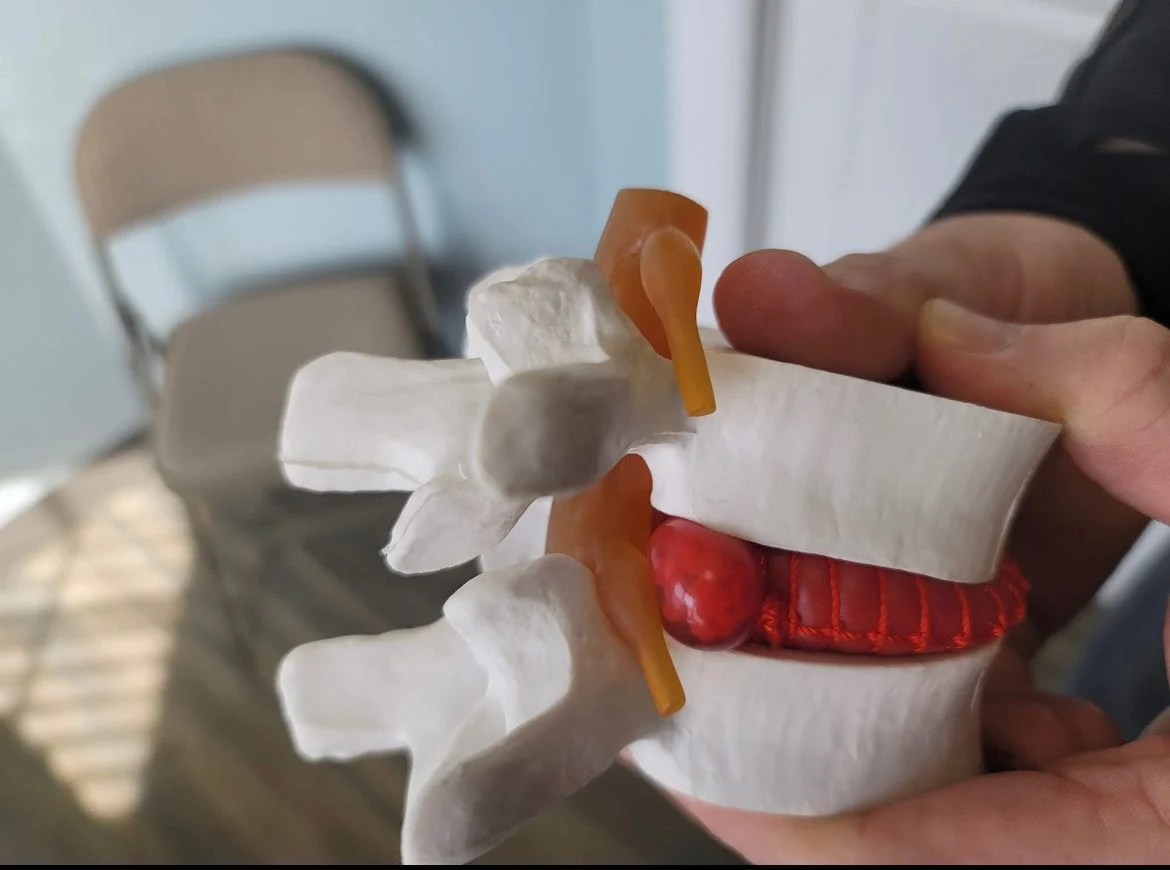
This gentle, non-invasive treatment is a strong option for bulging, herniated or degenerative disc conditions in both the neck and lower back. Patients often come to us with:
- Herniated, bulging or degenerative discs
- Sciatica and pain that travels down the leg
- Pinched nerves and radiating pain in the arms or legs
- Chronic back pain and neck pain or stiffness
- Spinal stenosis and facet-related lumbar or cervical syndromes
- Lingering discomfort after back or neck surgery
How Long Does a KDT Treatment Take?
Sessions usually last under 20 minutes. Most care plans are scheduled three times weekly for about a month, and treatment progresses from passive to active approaches as you improve. Many patients notice pain relief after just 6–10 sessions, and most complete their care within 8 weeks.
What Else Is Part of a Decompression Care Plan?
Decompression works best as part of a complete plan. Strengthening the ligaments, tendons and muscles around the spine is crucial, so we pair your sessions with supportive therapies such as heat, muscle stimulation, ultrasound and cold therapy to speed recovery. Some patients also benefit from deep tissue laser therapy or gentle chiropractic adjustments. Our goal isn’t only to help your discs heal but to improve muscular control and support for your spine.
After your active care, regular home exercises and occasional visits to our office help you maintain spinal health and lower the chance of your pain returning.
Is KDT Decompression Right for You?
Every plan starts with a thorough exam, and when needed, digital X-rays to understand exactly what’s going on with your spine. Our doctors walk you through your findings, explain whether decompression on the KDT table is a good fit, and outline a plan that makes sense for your goals. Curious what that looks like? Read about your first visit or meet our team.
Questions About KDT Neural Flex Decompression
Does KDT spinal decompression hurt?
No. Most patients find it comfortable and even relaxing. You’ll feel a gentle stretch followed by a release, repeated in cycles that build gradually over several minutes. The table is controlled precisely, so the stretch stays within a comfortable range.
Can the KDT table treat both my neck and my lower back?
Yes. The KDT Neural Flex Table can be set up for cervical (neck) or lumbar (low back) decompression, so it can help with disc problems, nerve pain and stiffness in either area.
How many KDT decompression sessions will I need?
Many care plans involve three sessions a week for about a month. Many patients notice relief after 6–10 sessions, and most complete their care within 8 weeks. Your exact plan depends on your exam findings.
How long is each decompression session?
Each session usually lasts under 20 minutes on the table. Supportive therapies such as heat, cold, muscle stimulation or ultrasound may add a few minutes to your visit.
Can spinal decompression help sciatica?
Spinal decompression is often used for sciatica caused by a bulging or herniated disc pressing on a nerve. By gently unloading the spine, it can reduce pressure on the nerve and ease pain that travels down the leg.
Is spinal decompression an alternative to back surgery?
For many people with disc-related neck or back pain, non-surgical decompression is a worthwhile option to try first. It’s also used for patients who still have discomfort after surgery. Your doctor will discuss whether it’s appropriate for your situation.
Where can I find KDT spinal decompression near me in Painesville?
Morris Chiropractic offers KDT Neural Flex decompression at 1545 Mentor Ave in Painesville, OH, serving patients throughout Lake County. Call (440) 639-9171 to schedule an exam.
Ready to Take the Pressure Off Your Spine?
You don’t have to keep living around disc pain. Call Morris Chiropractic at (440) 639-9171 or request your appointment online to find out whether KDT Neural Flex decompression can help you get back to feeling like yourself. Questions about cost? Visit our payment options page.