Is Your Child’s Spine Starting to Curve?
Scoliosis can be managed well when it’s found early. Many curves are mild and only need monitoring, while others need closer attention as a child grows. At Morris Chiropractic in Painesville, OH, we offer careful screening, digital X-rays and gentle chiropractic care to help children, teens and adults with scoliosis stay comfortable and mobile. We’ll also refer you to other specialists when your care calls for it.
Book OnlineWhat Is Scoliosis?
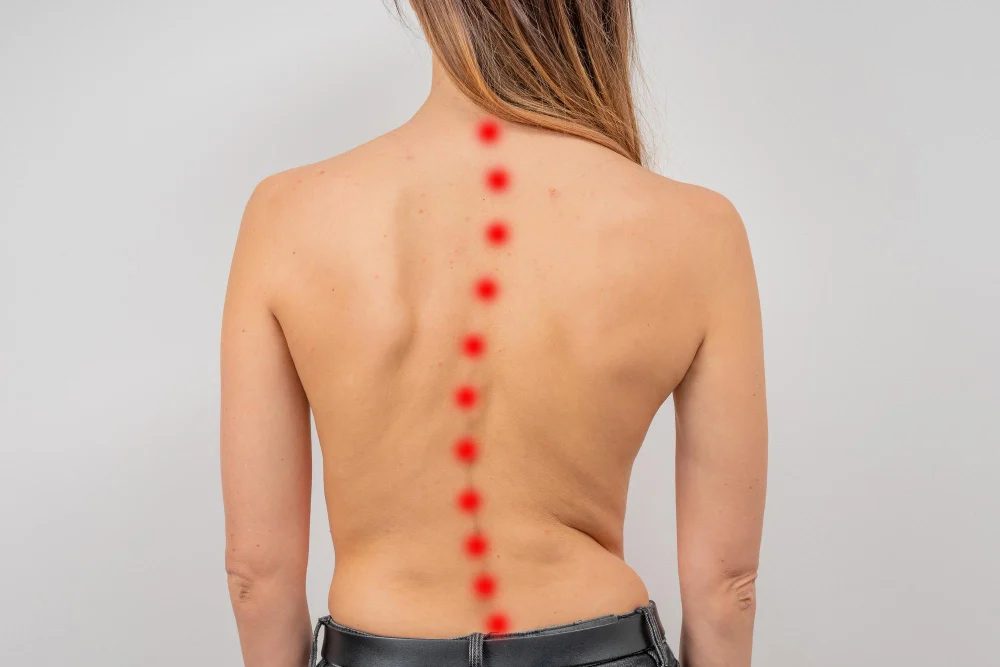
Scoliosis is a sideways curve of the spine, often with some twisting of the vertebrae. A curve is generally called scoliosis when it measures 10 degrees or more on an X-ray. Instead of running straight down the back, the spine forms a “C” or “S” shape. Most cases are called idiopathic, which means there is no clear cause. Idiopathic scoliosis most often appears during the growth spurt just before or during puberty, in children who had no earlier spine problems. You can read more about the condition from the National Institute of Arthritis and Musculoskeletal and Skin Diseases.
Scoliosis affects boys and girls at similar rates. Girls, however, are more likely to develop curves that progress and need treatment. This is why early screening matters, especially for preteens and teens.
What Are the Signs of Scoliosis?
Scoliosis often develops without pain, so parents usually notice changes in posture before a child complains of discomfort. Common signs include:
- One shoulder sitting higher than the other
- One shoulder blade sticking out more than the other
- An uneven waistline or one hip higher than the other
- The body leaning to one side
- A rib hump that shows up when bending forward
- Clothes that hang unevenly
In adults, scoliosis can come with back pain, stiffness, muscle fatigue or tension that moves into the shoulders and hips as the body works to compensate for the curve.
What Causes Scoliosis?
Most cases have no known cause, though scoliosis does tend to run in families. Less common types include congenital scoliosis, which comes from how the spine formed before birth, and neuromuscular scoliosis, which is linked to conditions such as cerebral palsy. Degenerative scoliosis can appear in adults as the spinal discs and joints wear over time. Carrying heavy backpacks or having poor posture does not cause structural scoliosis. Postural habits can still add strain, which is why we also address posture and lifestyle issues.
How Does a Chiropractor Help With Scoliosis?
Chiropractic care does not “straighten” a structural scoliosis curve. What it can do is support the spine and the muscles around it so you move better and feel more comfortable. When families search for a chiropractor near me for scoliosis, they’re usually looking for someone who will screen carefully, explain the findings clearly and work alongside the rest of their healthcare team. That’s how we approach every scoliosis case.
Careful Screening and Digital X-Rays
Your first visit starts with a detailed history and a posture and movement exam. When it’s appropriate, we use in-office digital X-rays to see the shape of the spine and measure the curve. This gives us a baseline so we can track any changes over time. If a curve is large or seems to be getting worse, we refer you to an orthopedic specialist to discuss options such as bracing.
Gentle Adjustments and Supportive Care
Our chiropractic care uses gentle adjustments, tailored to each patient’s age and comfort level, to improve joint motion around the curve. We may also add stretching and strengthening guidance for the muscles that work hardest to support an uneven spine. For adults with sore, tight muscles, deep tissue laser therapy may help ease discomfort between visits.
Care for Kids, Teens and Adults
Because scoliosis often shows up during childhood, our pediatric chiropractic care focuses on gentle techniques and regular monitoring through growth spurts. Adults with long-standing or degenerative scoliosis get care aimed at reducing stiffness and keeping them active. Many families choose our family chiropractic care so everyone’s spine is checked in one place.
When Should You Get Checked for Scoliosis?
Have your child’s spine checked if you notice uneven shoulders, hips or a rib hump, or if scoliosis runs in your family. The years between about 10 and 15 are the most important for screening because that’s when curves are most likely to progress. Adults should come in if they have ongoing back stiffness, a changing posture or neck pain that won’t settle. You can learn more about scoliosis research and treatment guidelines from the Scoliosis Research Society.
New to our office? Visit our new patients page or read about your first visit to see what to expect. You can also explore all of the conditions we treat or meet our chiropractors on the Meet the Team page. We care for patients across Lake County, including families looking for a chiropractor near Mentor.

Why Do We Track Scoliosis Over Time?
A curve that measures mild today can change during a growth spurt. Regular check-ins and follow-up imaging when needed help us catch changes early so your child can get the right care at the right time. For adults, tracking helps us adjust your care plan and support long-term spinal wellness.
Questions Patients Ask About Scoliosis
Can a chiropractor fix scoliosis?
A chiropractor can’t permanently straighten a structural scoliosis curve, but chiropractic care can help improve spinal motion, ease muscle tension and keep you more comfortable. We also monitor the curve and refer to an orthopedic specialist when bracing or other treatment may be needed.
At what age does scoliosis usually appear?
The most common type, adolescent idiopathic scoliosis, usually appears between about ages 10 and 15 during the growth spurt before and during puberty. Scoliosis can also develop in adults as the spine ages.
Is chiropractic care safe for kids with scoliosis?
Yes. We use gentle techniques adjusted to a child’s size and age. Our focus for young patients is careful screening, comfort and monitoring the curve as they grow.
Does scoliosis always cause pain?
No. Many children and teens with scoliosis feel no pain at all, which is why visible signs like uneven shoulders or hips are often the first clue. Adults with scoliosis are more likely to have back pain, stiffness or muscle fatigue.
Do you take X-rays for scoliosis?
When it’s appropriate, we take digital X-rays in our Painesville office to measure the curve and create a baseline. This lets us track any changes over time and make informed recommendations.
Can bad posture or heavy backpacks cause scoliosis?
No. Poor posture and heavy backpacks don’t cause structural scoliosis, though they can add strain and discomfort to the back. Most scoliosis has no known cause and tends to run in families.
How do I find a chiropractor near me for scoliosis?
If you live in Painesville, Mentor or elsewhere in Lake County, Morris Chiropractic at 1545 Mentor Ave in Painesville offers scoliosis screening and gentle care. Call (440) 639-9171 or request an appointment online.
Ready to Get Your Spine Checked?
Whether you’ve noticed a change in your child’s posture or you’ve lived with scoliosis for years, our team at Morris Chiropractic is here to help. Call (440) 639-9171 or request your appointment online to schedule a scoliosis screening in Painesville, OH.