
Is Tingling, Numbness or Shooting Pain Holding You Back?
A pinched nerve can make simple things hard: turning your head, sitting through a meeting, gripping a coffee cup, or sleeping through the night. If you’re searching for a chiropractor near you who can find out what’s pressing on the nerve and help take that pressure off, Morris Chiropractic in Painesville, OH is here to help. We look for the source of the irritation in your spine, then use gentle, drug-free care to calm the nerve and help your body heal.
Book OnlineWhat Is a Pinched Nerve?
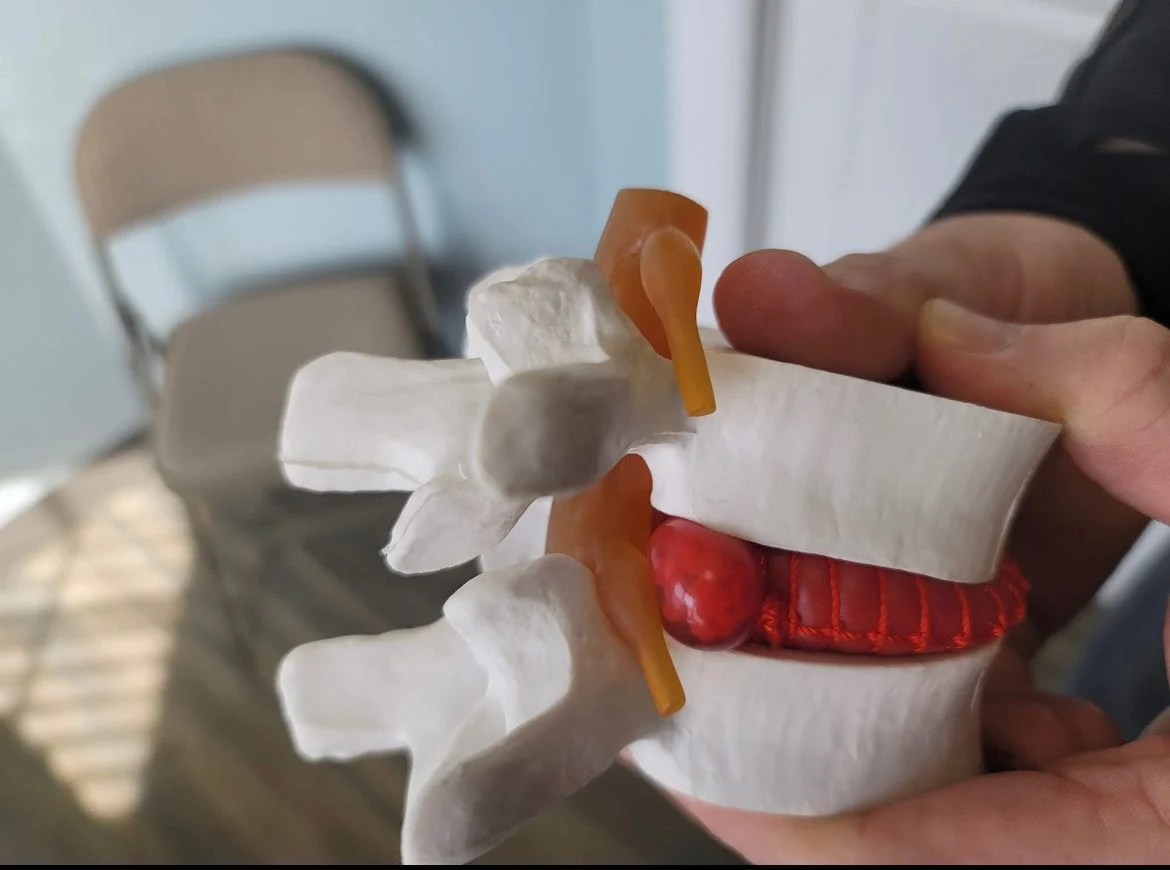
A pinched nerve, also called nerve compression or radiculopathy, happens when nearby tissue such as a disc, bone spur, swollen joint or tight muscle presses on a nerve. That pressure disrupts the nerve’s signals, which can cause pain, tingling, numbness or weakness at the spot or anywhere along the nerve’s path. Pinched nerves most often start in the neck or lower back, but you may feel the symptoms in your arm, hand, leg or foot.
What Does a Pinched Nerve Feel Like?
Symptoms depend on which nerve is involved and how much pressure is on it. Patients often describe:
- Sharp, burning or electric pain that travels into the arm or leg
- Pins-and-needles tingling, or a limb that feels like it “fell asleep”
- Numbness in the fingers, hand, foot or toes
- Muscle weakness or a weaker grip
- Pain that gets worse when you cough, sneeze, look up or sit for a long time
- Stiffness and reduced range of motion in the neck or back
A pinched nerve in the neck commonly sends symptoms into the shoulder, arm and hand, and it is often mistaken for shoulder pain or carpal tunnel syndrome. In the lower back, pressure on the nerve roots that form the sciatic nerve can cause sciatica, with pain running down the buttock and leg.
What Causes a Pinched Nerve?
Most pinched nerves come from a mix of wear, posture and strain. The most common causes include:
- Herniated or bulging discs pressing on a nerve root
- Spinal joints that aren’t moving properly and inflame the surrounding tissue
- Degenerative changes and bone spurs that narrow the space for the nerve
- Forward-head posture and long hours at a desk or on a phone, a common part of posture and lifestyle-related issues
- Repetitive motions at work or in sports
- Sudden trauma, such as a fall or auto injury
How Does a Chiropractor Treat a Pinched Nerve?
Chiropractic care for a pinched nerve focuses on reducing the pressure on the nerve so inflammation can settle and normal signaling can return. Rather than masking symptoms, we work to correct the mechanical problem behind them.
Step One: Finding Where the Nerve Is Being Pinched
Your first visit includes a detailed history, posture review, and orthopedic and neurological tests that check your reflexes, strength and sensation. When it’s appropriate, in-office digital X-rays help us see alignment, disc spaces and degenerative changes so your care plan fits what’s actually going on. You can learn more about this process on our Your First Visit page.
Step Two: Gentle Care to Take Pressure Off the Nerve
Depending on your exam findings, your plan may include:
- Chiropractic adjustments to restore motion to stuck spinal joints and ease irritation around the nerve
- Spinal decompression to gently stretch the spine, create space between the vertebrae and relieve pressure on discs and nerve roots
- Deep tissue laser therapy to help calm inflammation and support tissue healing
- Posture coaching, stretches and at-home exercises to help keep the nerve from getting pinched again
Step Three: Building Lasting Stability
As symptoms ease, we shift toward strengthening and maintaining good spinal motion. That helps lower the chance of flare-ups, whether your nerve trouble started in your neck or your lower back. Many patients with a pinched nerve also have neck pain or back pain, and we address the whole picture rather than one symptom.
When Should You See Someone Right Away?
Most pinched nerves respond well to conservative care. Go to the emergency room right away if you have sudden loss of bladder or bowel control, numbness in the groin or inner thighs, rapidly worsening weakness in a leg or arm, or symptoms that follow a serious accident. If anything in your exam suggests a problem outside our scope, we’ll refer you to the right specialist.
Looking for a Pinched Nerve Chiropractor Near Painesville?
Our team has helped families across Lake County find relief from nerve pain without relying on medication or rushing into surgery. Meet our chiropractic team, see how we treat other conditions, or visit our New Patients page to get ready for your first appointment.
Pinched Nerve Questions We Hear Most Often
How long does a pinched nerve take to heal?
Mild pinched nerves often improve within a few days to a few weeks once the pressure is reduced. Cases tied to a herniated disc or long-standing degeneration can take longer. Your chiropractor will give you a realistic timeline after your exam.
Can a chiropractor fix a pinched nerve?
Chiropractic care can help relieve many pinched nerves by restoring spinal motion, reducing pressure on the nerve and calming inflammation. Adjustments, spinal decompression and laser therapy are common tools used to support the body’s natural healing.
Is it a pinched nerve or carpal tunnel?
Both can cause tingling and numbness in the hand. A pinched nerve in the neck often comes with neck stiffness and symptoms that travel down the arm, while carpal tunnel is usually limited to the wrist and fingers. A hands-on exam with nerve testing helps tell them apart.
Should I use heat or ice on a pinched nerve?
Ice for 15 to 20 minutes can help reduce inflammation in the first few days. After that, gentle heat may help relax tight muscles. Avoid sleeping on a heating pad, and stop if either one makes symptoms worse.
Can a pinched nerve go away on its own?
Some do, but a pinched nerve that keeps coming back or lasts more than a week or two usually has an underlying cause, such as a disc problem or poor spinal motion. Addressing that cause can shorten recovery and help prevent repeat episodes.
What is the best sleeping position for a pinched nerve?
For a pinched nerve in the neck, sleeping on your back or side with a supportive pillow that keeps your head level usually works best. For the lower back, try lying on your side with a pillow between your knees, or on your back with a pillow under your knees. Stomach sleeping often makes symptoms worse.
Do I need a referral to be seen for a pinched nerve in Painesville?
No. You can schedule directly with Morris Chiropractic in Painesville, OH. Call (440) 639-9171 or request an appointment online, and we’ll start with a thorough exam to find the source of your nerve pain.
Ready to Take the Pressure Off?
You don’t have to keep working around numbness, tingling or nerve pain. Call (440) 639-9171 or request an appointment with Morris Chiropractic in Painesville, OH, and let’s find out what’s pinching your nerve and how to help you feel like yourself again.